Pakistan is one of the world’s largest mango-producing countries, making mango processing a significant opportunity for food manufacturers and exporters. As demand for mango pulp, mango juice, concentrates, and value-added fruit products continues to grow, many businesses are exploring the setup of modern mango processing facilities.
A successful mango pulp processing plant relies on a complete production line where each machine performs a specific function. Understanding these machines helps manufacturers plan efficient operations and maintain consistent product quality.
Why Mango Processing Plants Are Growing in Pakistan
Large mango-producing regions such as Sindh and Punjab generate significant quantities of fruit every year. Processing mangoes into pulp and juice helps extend shelf life, reduce wastage, and create products suitable for local and export markets.
Many food manufacturers in Karachi, Lahore, Multan, Faisalabad, and other industrial cities are investing in fruit processing machinery to meet growing market demand.
Main Machines Used in a Mango Pulp Processing Plant
1. Fruit Receiving & Sorting System
The process begins with receiving fresh mangoes and sorting them based on size, quality, and maturity.
Proper sorting improves final pulp quality and reduces processing issues later in the production line.
2. Fruit Washing Machine
Before processing, mangoes must be thoroughly cleaned to remove dust, dirt, pesticides, and field contaminants.
Fruit washing systems help maintain hygiene standards and improve food safety.
3. Mango Hot Water Treatment Plant
Many processing facilities use hot water treatment systems before pulp extraction. This process helps improve fruit handling and supports quality control requirements for export-oriented operations.
4. Mango Pulper Destoner Machine
The Mango Pulper Destoner Machine is one of the most important machines in the entire production line.
It separates pulp from seeds, fibers, and unwanted materials while maximizing product recovery. Efficient pulp extraction directly impacts production output and profitability.
Businesses interested in pulp extraction technology can also read our guide on Mango Pulper Destoner Machines and their applications in commercial processing facilities.
5. Pulp Collection & Transfer System
Once pulp is extracted, it is transferred through hygienic pipelines and storage systems to the next processing stage.
Food-grade handling systems help maintain product quality throughout production.
6. Mixing & Standardization Equipment
Depending on product requirements, manufacturers may adjust pulp consistency, sugar levels, and formulation before further processing.
This stage ensures product uniformity and consistency.
7. Pasteurization System
Pasteurization helps eliminate harmful microorganisms while extending product shelf life.
This stage is commonly used in both mango pulp and mango juice production.
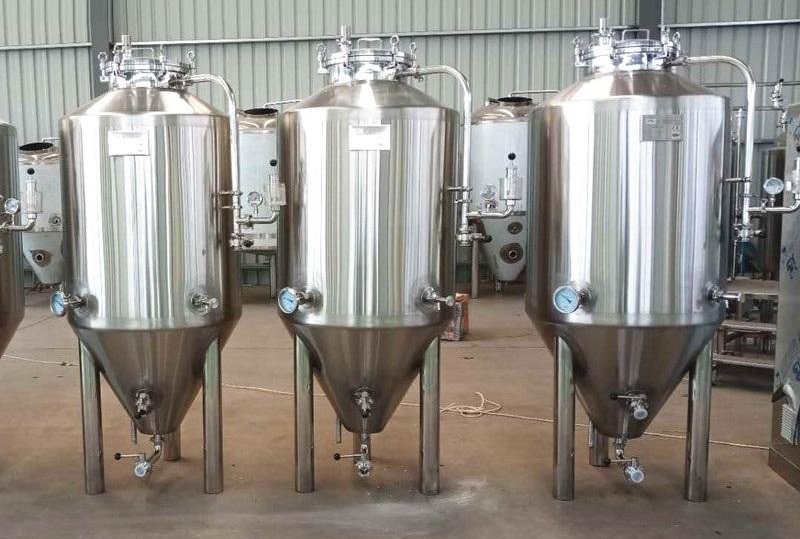
8. Storage Tanks
Stainless steel storage tanks provide temporary storage before packaging and distribution.
These tanks maintain hygiene standards and product quality.
9. Filling & Packaging Machines
The final stage involves filling pulp or juice into containers, pouches, drums, or retail packaging formats.
Accurate filling systems improve efficiency and reduce product waste.
Additional Equipment Often Used in Fruit Processing Plants
Many facilities also integrate:
- Screw conveyors
- Bucket elevators
- Juice processing machinery
- Ribbon mixers
- Storage systems
- Cooling equipment
- Cleaning systems
These supporting machines help improve workflow and production efficiency.
Related Reading
To better understand complete fruit processing operations, manufacturers may also find these resources helpful:
- Complete Guide to Juice Machinery in Pakistan
- Mango Pulp & Juice Processing Line in Pakistan
- Mango Pulper Destoner Machine Applications
Together, these resources provide a complete overview of commercial fruit processing operations.
Benefits of a Complete Mango Processing Line
A properly designed processing line offers:
- Higher pulp recovery
- Improved product consistency
- Better hygiene standards
- Reduced labor requirements
- Increased production efficiency
- Greater export readiness
Frequently Asked Questions
What is the most important machine in a mango pulp processing plant?
The Mango Pulper Destoner Machine is one of the key machines because it performs pulp extraction while separating seeds and unwanted materials.
Can a mango processing plant produce juice as well?
Yes. Many facilities produce both mango pulp and mango juice using integrated processing equipment.
Are mango processing plants suitable for export-oriented businesses?
Yes. Modern processing plants help manufacturers meet quality standards required for export markets.
Which cities in Pakistan have demand for mango processing machinery?
Karachi, Lahore, Multan, Faisalabad, Hyderabad, Islamabad, and other industrial regions have growing demand for fruit processing equipment.
Conclusion
A successful mango pulp processing plant depends on selecting the right combination of washing, destoning, pulp extraction, pasteurization, storage, and packaging equipment. By investing in properly designed processing systems, manufacturers can improve efficiency, increase product quality, and create valuable opportunities in both domestic and export markets.